
Beyond the green fields of the Nile, a silent desert valley hides the tombs of Egypt’s greatest kings. This is the Valley of the Kings, where pharaohs prepared for eternity, treasures slept for thousands of years, and history whispered beneath golden cliffs.
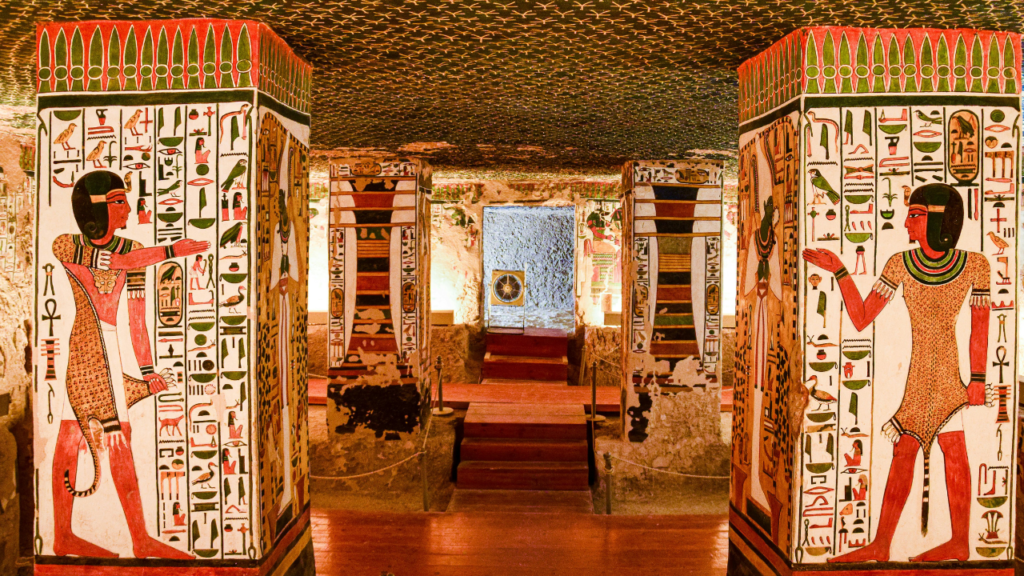
On the West Bank of Luxor, far from the noise of the Nile Valley, lies a place carved by hands guided by faith. The ancient Egyptians called it the Valley of the Kings. Today, the Valley of the Kings in Egypt stands as one of the world’s most extraordinary gateways to the past—a quiet desert landscape where history sleeps beneath golden cliffs, and where every step feels like a whisper from another time.
The story begins with Pharaoh Tuthmosis I, the first king to choose this remote valley as his eternal resting place. Instead of building giant pyramids like his ancestors, he sought protection in secrecy. Above the valley rises al-Qurn, a mountain shaped like a natural pyramid. To the Egyptians, its peak promised rebirth and divine protection. From that moment, the valley became a sacred necropolis for nearly 500 years.
Where Is the Valley of the Kings Located?
The Valley of the Kings is located on the West Bank of Luxor, Egypt, near the ancient city of Thebes. It sits across the Nile River from Luxor Temple and Karnak Temple, in the desert mountain on Luxor’s West Bank.
Why Did the Pharaohs Choose the Valley of the Kings?
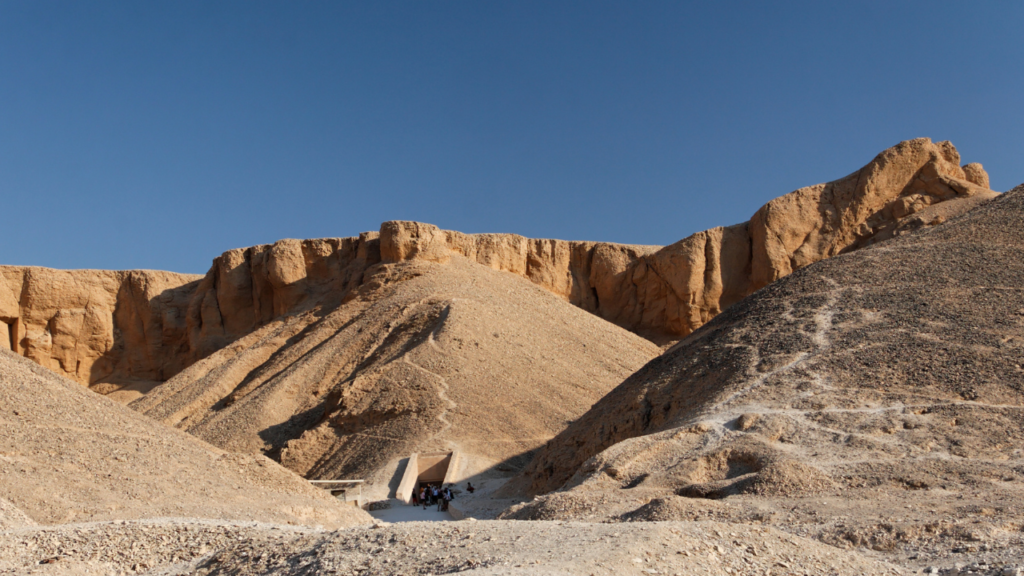
The choice of this valley was deliberate and wise. Its hidden location kept the royal tombs safe from robbers. The cliffs formed a natural fortress, shielding each burial chamber from the world outside. The limestone was strong yet workable, perfect for carving deep tunnels and spacious chambers.
More importantly, the west—where the sun sets—symbolized the world of the dead. Here, the pharaoh could journey with the sun god Ra through darkness and return reborn each morning. The Valley of the Kings became not only a burial place but also a spiritual map to eternity.
How Were the Tombs Carved and Decorated?
Carving a royal tomb began the moment a new king took the throne. Architects planned corridors, chambers, and storerooms with great care. Then, workers cut into the mountain using simple chisels and stone hammers. Day after day, they chipped away at the rock, guided by torchlight and unwavering belief.
As the tomb grew, the walls were smoothed with sandstone. The chambers became deeper, wider, and more impressive. Some tombs reached incredible lengths, forming vast underground palaces. Before the burial, entrances were hidden or sealed to protect the pharaoh’s journey from thieves.
Once the carving ended, the valley transformed again. Artists entered the tombs carrying brushes and mineral pigments. They covered the walls with white plaster, sketched guidelines, and then filled the chambers with life.
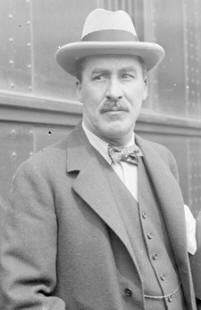
As the Egyptologist Howard Carter once said, “The past should not be feared, for it still belongs to us.” Nowhere does this feel more true than in the Valley of the Kings.
Famous Tombs in the Valley of the Kings
The valley contains over 60 tombs, each marked with the code KV, short for King’s Valley. At the same time, every tomb has its own story; a few stand out for their beauty, mystery, or historical importance. Tutankhamun’s
Tutankhamun’s Tomb (KV62)
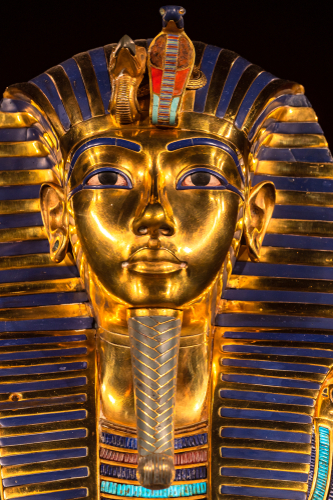
Small yet legendary, the tomb of King Tut is a doorway into untouched history. When it was discovered in 1922, more than 5,000 treasures lay inside, undisturbed for millennia. The golden coffin of the young king now rests inside the burial chamber. Standing there feels like stepping into a moment that time refused to erase.
Seti I’s Tomb (KV17)
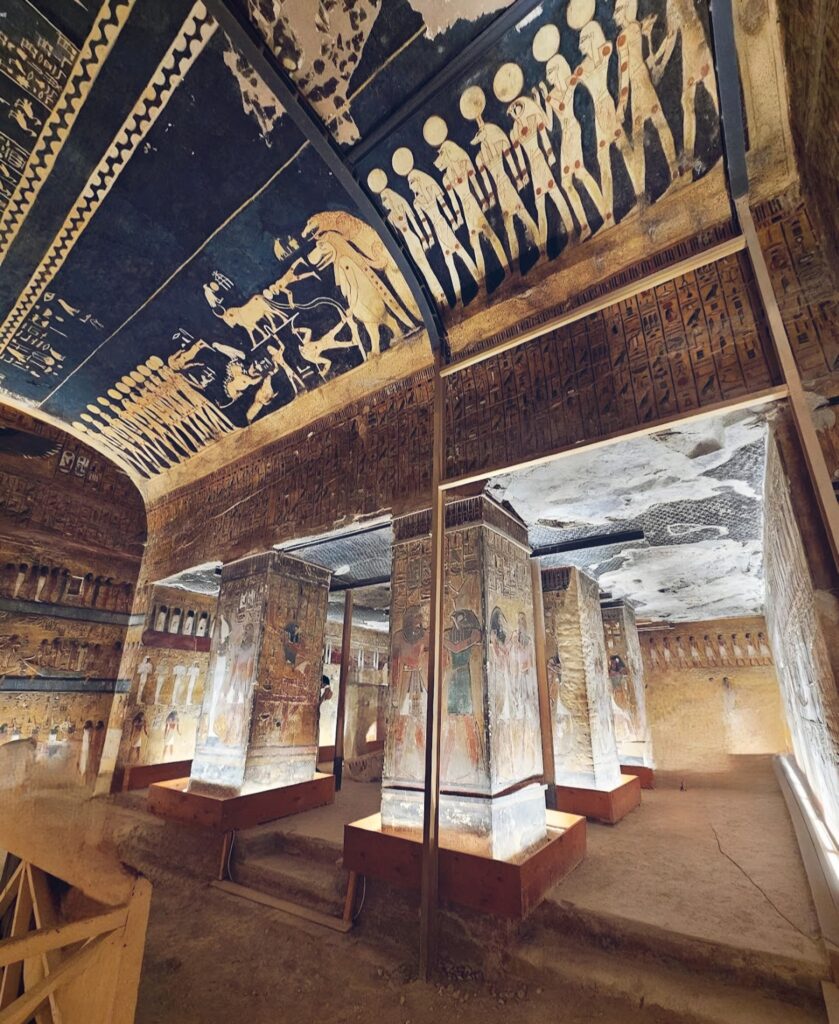
This masterpiece is one of the longest and most beautifully decorated tombs in Egypt. Its deep corridors shimmer with colors that seem freshly painted. Stars glow on the ceiling. God’s line the walls. Every chamber feels alive with ancient stories.
Ramses VI (KV9)
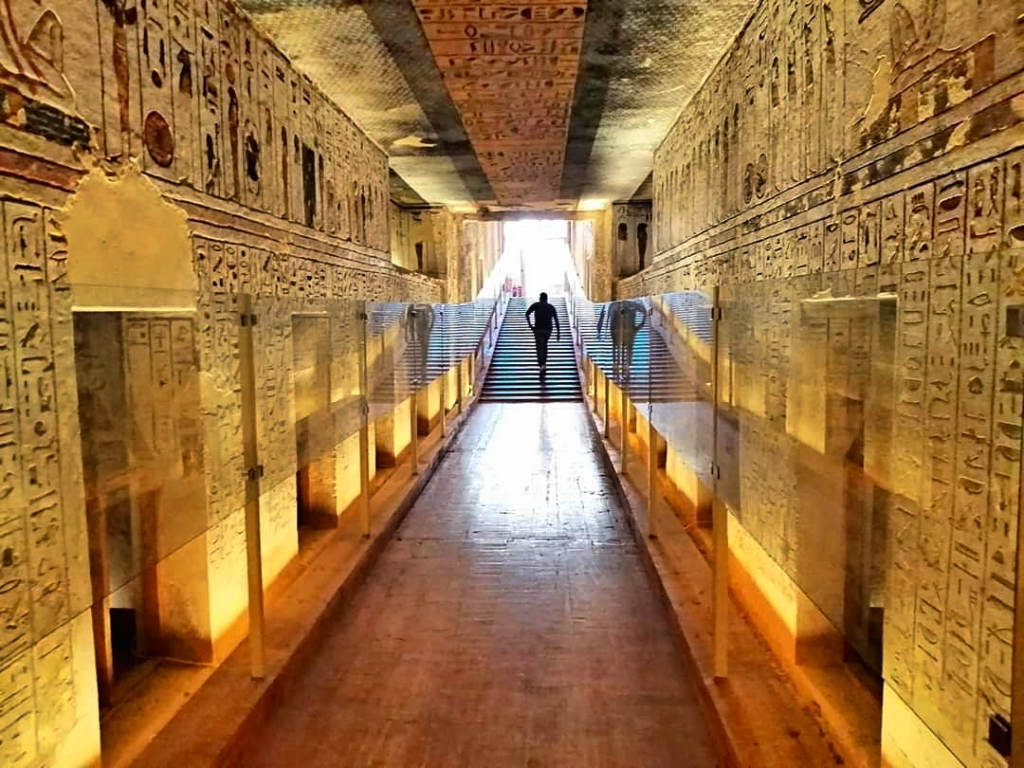
Famous for its dramatic decorations, this tomb leads you through powerful scenes from sacred texts. The burial chamber is unforgettable; the sky goddess Nut stretches across the ceiling, guiding the sun from dusk to dawn.
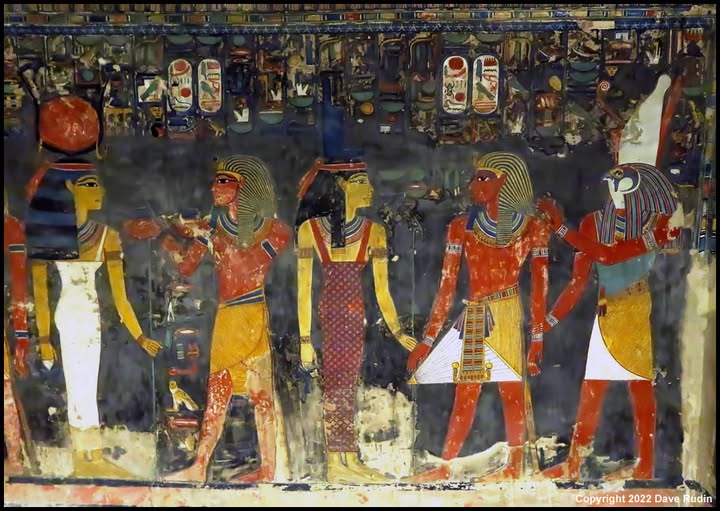
Horemheb (KV57)
Ramses III (KV11)
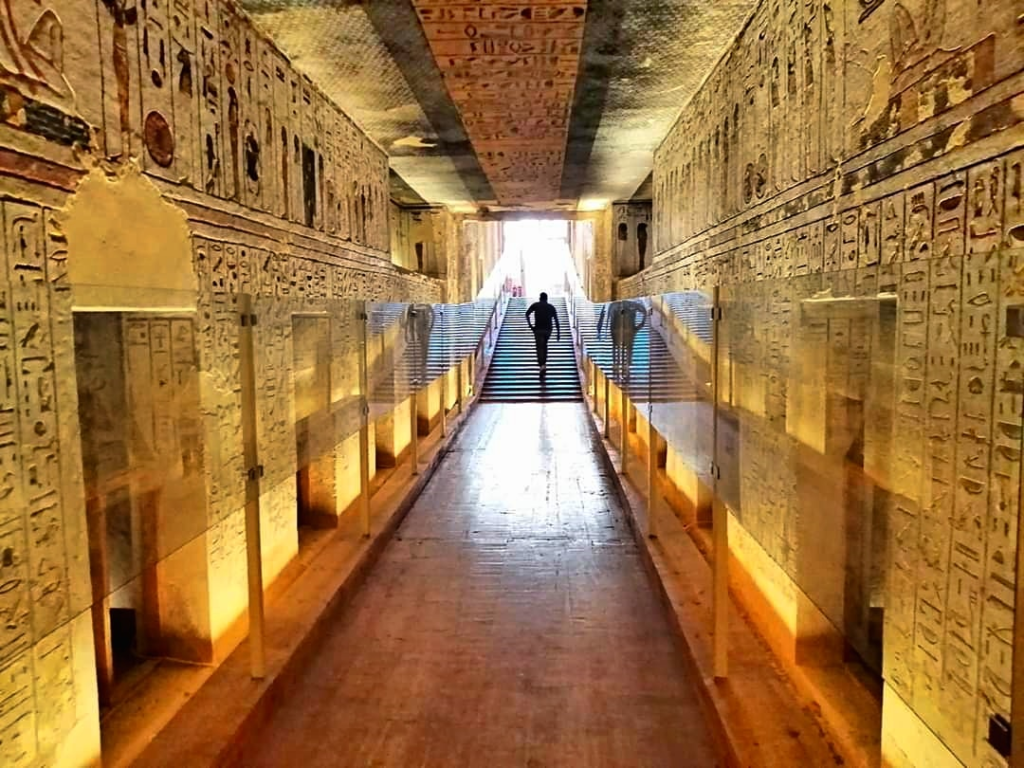
This tomb is a celebration of color and storytelling. Deep corridors, bold designs, and large chambers reveal the life and power of a king who ruled during Egypt’s most challenging eras.
As the traveler Amelia Edwards once wrote after visiting Luxor, “To Egypt, one goes not merely to see but to ‘feel.'” If there is a place where her words come alive, it is here.
A Valley Carved for Eternity
Walking through the Valley of the Kings is not simply sightseeing. It is stepping into a world where pharaohs dreamed of rebirth. It is hearing the silence of the desert and feeling history beneath your feet. And it is discovering that even after thousands of years, the ancient Egyptians still speak through colors, stories, and the quiet majesty of their tombs.
The valley remains one of the most powerful places in Egypt. It invites travelers to pause, reflect, and imagine. And in its golden light, surrounded by mountains shaped by time, you understand why this land is not just history—it is eternity