Table of Contents
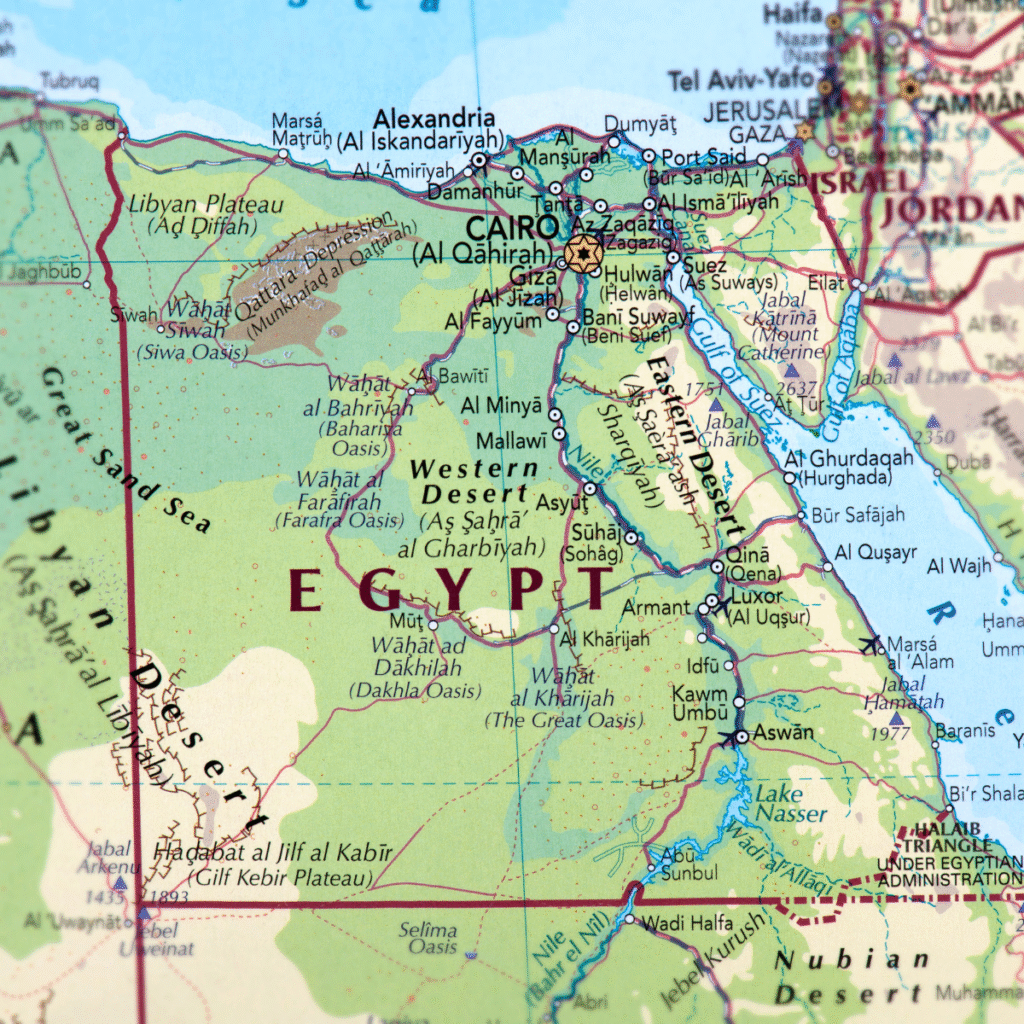
Egypt welcomes you with its mighty Nile, magnificent monuments, the beguiling desert and lush delta, and its long past and welcoming, story-loving people. This ancient land bridges Africa and Asia, offering travelers a unique blend of historical wonders, cultural riches, and natural beauty. From the iconic pyramids that have fascinated humanity for millennia to the bustling streets of Cairo and the serene beaches of the Red Sea, Egypt invites you to step back in time while experiencing its vibrant present.
The Meaning and Etymology of "Egypt"
The name “Egypt” has a fascinating linguistic journey spanning thousands of years. The English word “Egypt” derives from the Ancient Greek “Aígyptos” (Αἴγυπτος), which came to us via Middle French “Egypte” and Latin “Aegyptus.” These terms can be traced back to the ancient Egyptian phrase “Hwt-ka-Ptah” (Temple of the Ka of Ptah), referring to a temple complex in Memphis.
In Arabic, Egypt’s official language today, the country is called “Miṣr” (مِصر), a name with Semitic origins that connoted “civilization” or “metropolis.” This term appears in various Semitic languages as Mesru, Misir, and Masar, with the oldest attestation being the Akkadian “mi-iṣ-ru,” meaning “border” or “frontier.”
The ancient Egyptians themselves called their land “Kemet” (km.t), meaning “black land,” a reference to the fertile black soils deposited by the Nile’s annual flood, distinguishing it from “deshret” (red land) of the surrounding desert. This name was pronounced approximately as [kuːmat] in ancient Egyptian and later appeared in Coptic as “Kēmə” and in early Greek as “Khēmía.”
Other ancient names included
-
Ta-Mry—the land of the riverbank
-
Ta-Sheme’aw – Upper Egypt
-
Ta-Mehew – Lower Egypt
Each name shows how deeply Egypt’s identity has always been tied to the Nile.
"Egypt is the gift of the Nile." - Herodotus, Greek Historian
Cairo: The Lively Capital of Egypt
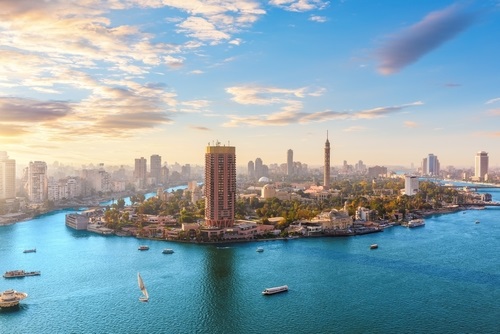
Cairo (Al-Qāhirah in Arabic) is Egypt’s capital and largest city, a bustling metropolis of over 20 million people in its greater metropolitan area. Positioned strategically along the Nile River, Cairo is Egypt’s political, economic, and cultural heart. The city’s name derives from Arabic, meaning “The Victorious,” a title given when the Fatimid Caliphate established it as their capital in the 10th century CE.
Historical Background
Cairo’s history stretches back millennia, though the modern city was founded in 969 CE by the Fatimid dynasty. Before this, the area had been home to various settlements, including the Roman fortress of Babylon and the nearby ancient Egyptian capital of Memphis. Under the Fatimids, Cairo flourished as a center of Islamic learning and culture.
The city reached new heights during the Mamluk Sultanate (13th-16th centuries), becoming one of the world’s largest and wealthiest cities. After the Ottoman conquest in 1517, Cairo remained important but experienced some decline. The modern city began in the 19th century under Muhammad Ali Pasha and his successors, who introduced European-inspired urban planning and architecture.
Population and Demographics
With approximately 10 million residents in the city proper and over 20 million in the metropolitan area, Cairo ranks among the most densely populated cities globally. This population explosion occurred primarily in the latter half of the 20th century, as rural Egyptians migrated to the capital seeking economic opportunities.
Cairo’s population is predominantly Muslim (around 90%), with a significant Coptic Christian minority (about 10%). The city serves as a melting pot for various Egyptian regional cultures and communities from across the Middle East, Africa, and beyond. Despite its density and rapid growth challenges, Cairo maintains a strong sense of community, with neighborhood life centered around local markets, cafes, and mosques.
Cultural Significance
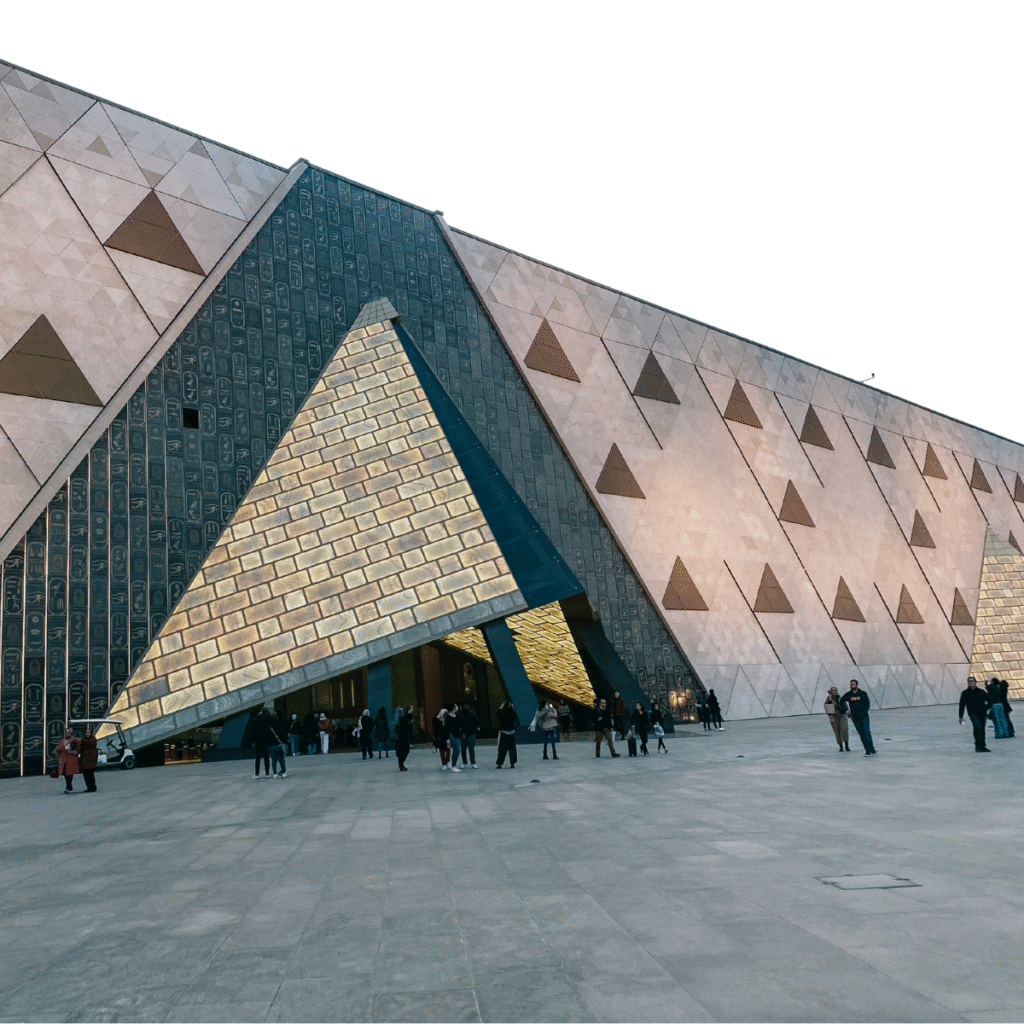
Cairo stands as the cultural powerhouse of the Arab world, often referred to as “Umm al-Dunya” (Mother of the World). The city hosts prestigious institutions, such as Al-Azhar University, founded in 970 CE and regarded as the foremost center of Islamic learning worldwide. The Egyptian Museum houses the world’s most extensive collection of Pharaonic antiquities. At the same time, the new Grand Egyptian Museum, located near the Giza Pyramids, will soon become the most extensive archaeological museum dedicated to a single civilization.
Cairo has long been the heart of Arabic literature, cinema, and music. During the 20th century, it was home to legendary artists like Umm Kulthum and Mohamed Abdel Wahab, who revolutionized Arabic music. Today, it remains a creative hub, with thriving contemporary arts scenes in districts like Downtown and Zamalek.
Cairo’s stunning nightscape along the illuminated Nile River
Major Landmarks
Museums and Cultural Sites
-
The Egyptian Museum (soon to be replaced by the Grand Egyptian Museum)
-
The Grand Egyptian Museum (open on the 1st November 2025)
-
National Museum of Egyptian Civilization
-
Cairo Opera House
-
Al-Azhar University
-
House of Egyptian Architecture
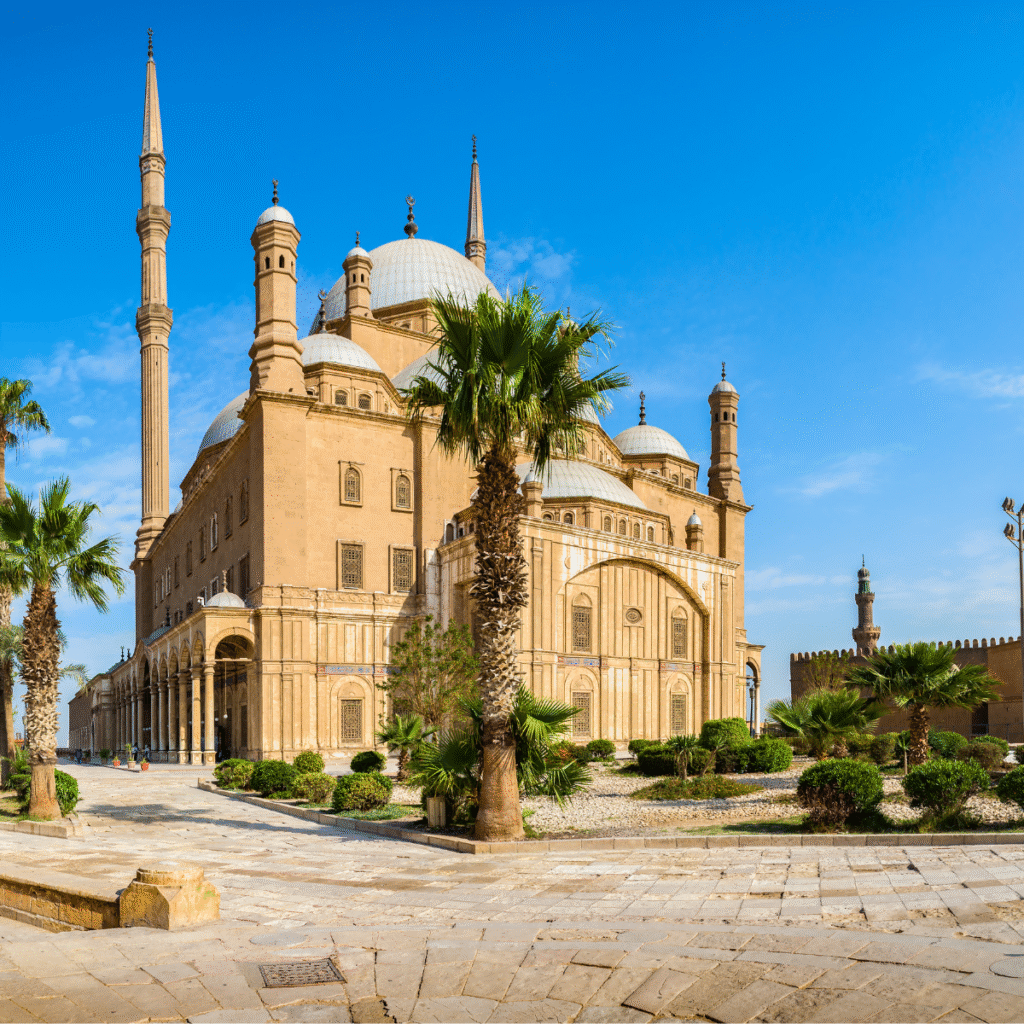
Islamic Cairo
- The Citadel of Saladin
- Mosque of Muhammad Ali
- Al-Azhar Mosque
- Khan el-Khalili Bazaar
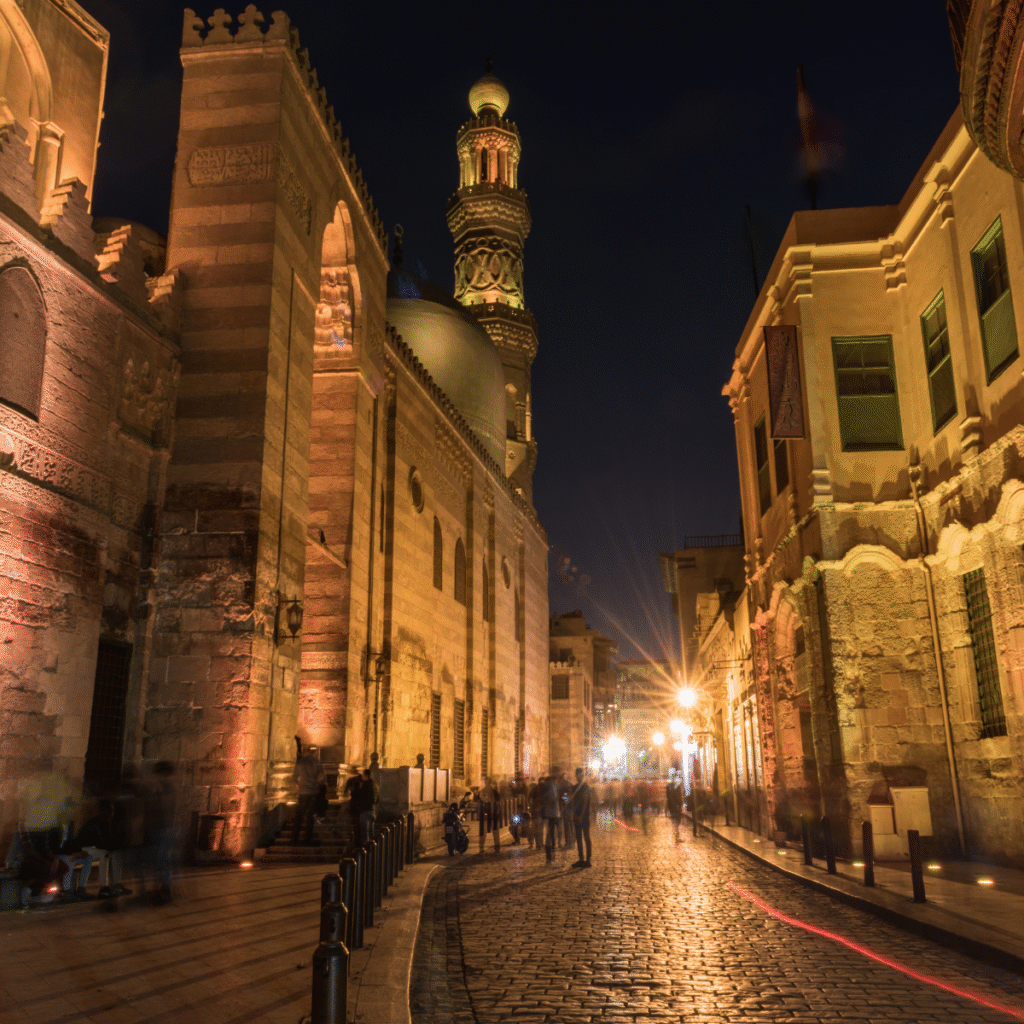
- Muizz Street, with its medieval architecture
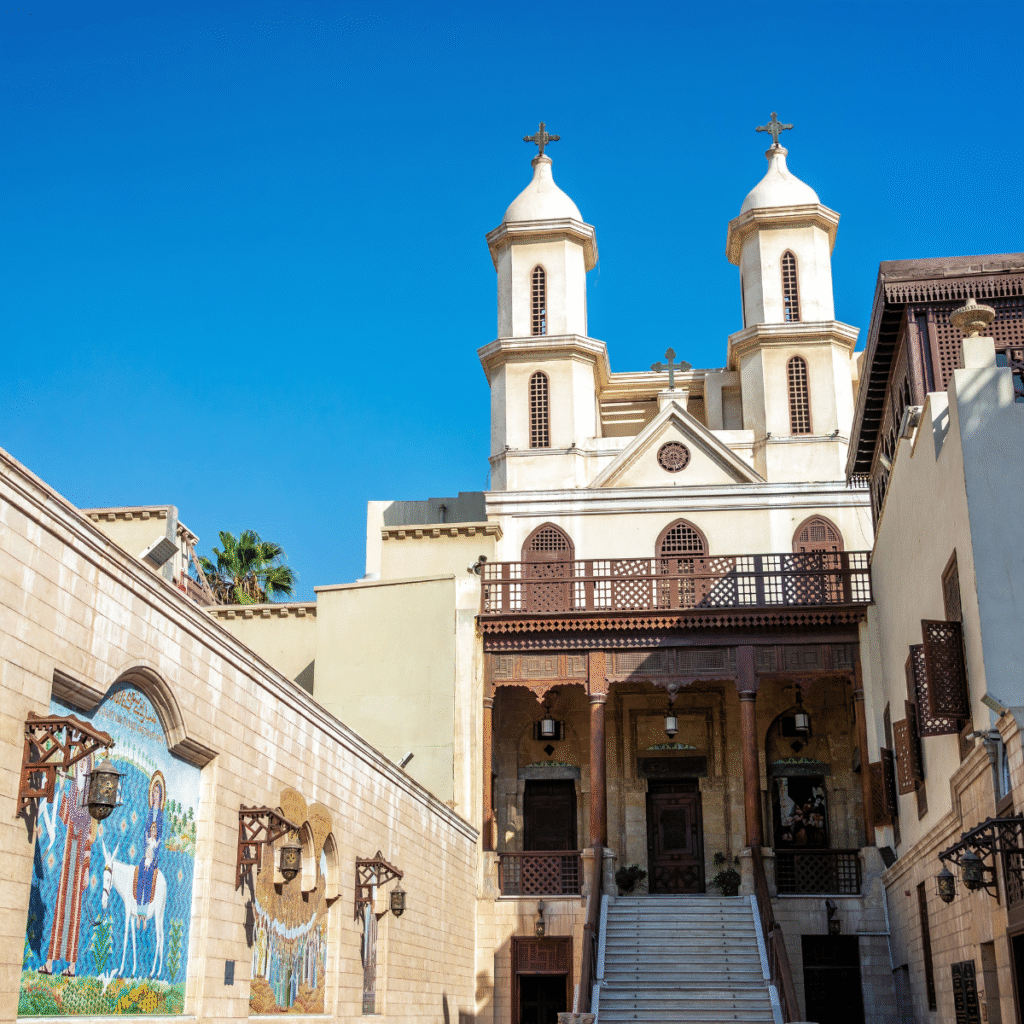
Coptic Cairo
- The Hanging Church (El Muallaqa)
- Coptic Museum
- Church of St. Sergius and Bacchus
- Ben Ezra Synagogue
- Babylon Fortress remains
Beyond the city center, the Giza Pyramid Complex sits on Cairo’s western edge. It features the Great Pyramid of Khufu, the Sphinx, and the new Grand Egyptian Museum. Modern landmarks include the 187-meter Cairo Tower, which offers panoramic views, and the distinctive Cairo Opera House in the Zamalek district.
The Rich Musical Heritage of Egypt
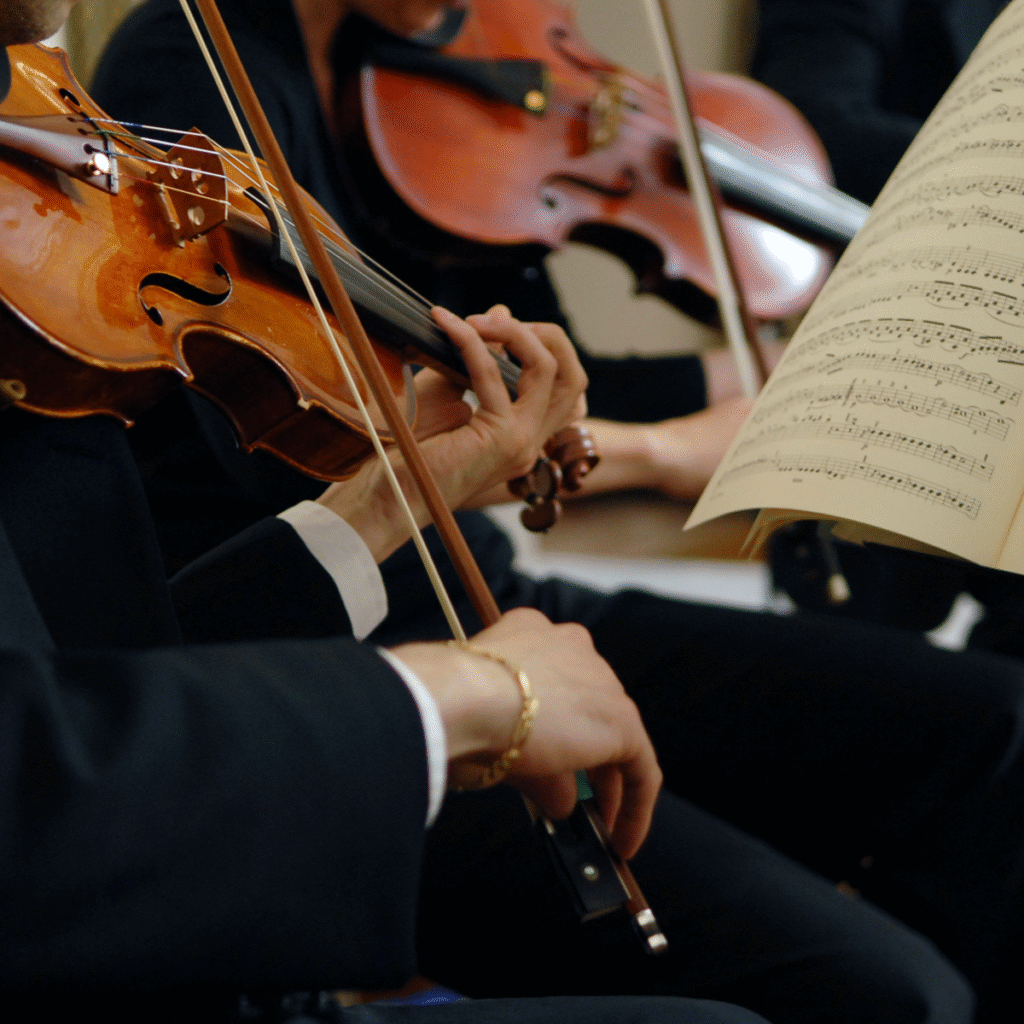
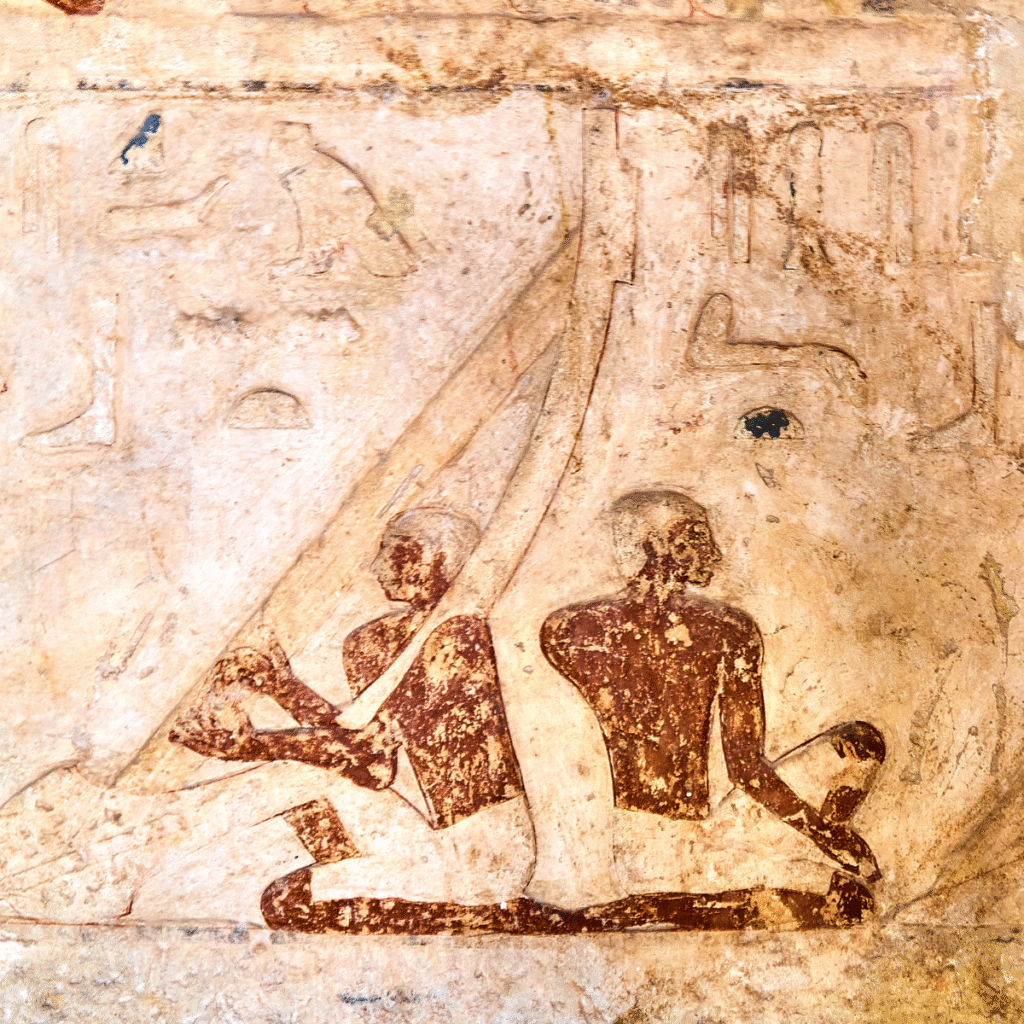
Egypt’s musical tradition spans over 5,000 years, evolving from ancient ceremonial compositions to the diverse contemporary scene of today. This musical journey reflects Egypt’s position as a cultural crossroads, absorbing influences from the Mediterranean, Africa, and the Middle East while maintaining its distinctive character.
Ancient Egyptian Music
Music played a vital role in ancient Egyptian society, featuring prominently in religious ceremonies, royal events, and everyday life. Although no written musical notation has survived, archaeological evidence offers insights into instruments, performance contexts, and the cultural significance of music.
Instruments of Ancient Egypt
- Sistrum: A sacred rattle-like percussion instrument associated with the goddess Hathor
- Harps: Both portable and large standing versions, some elaborately decorated
- Flutes and Pipes: Made from reeds, some examples found in tombs date back to 3000 BCE
- Drums and Tambourines: Used in religious processions and celebrations
- Clappers and Cymbals: Metal percussion instruments for rhythmic accompaniment
Religious and Ceremonial Significance
Music played a vital role in ancient Egyptian religious practices. Priestesses of Hathor were trained musicians who performed with sistrums during temple rituals. Musical performances accompanied offerings to deities and were believed to please the gods. During the New Kingdom period (1550-1070 BCE), blind people were often trained as musicians, as their heightened sense of hearing was valued.
Royal ceremonies featured elaborate musical performances. Wall paintings show ensembles of musicians and dancers entertaining at banquets and religious festivals. Music also played a role in funerary rituals, with professional mourners performing lamentations accompanied by instruments.
Modern Egyptian Music
Contemporary Egyptian music represents a vibrant fusion of traditional forms with modern influences. From classical Arabic compositions to innovative pop and electronic music, Egypt remains a powerhouse of musical creativity in the Arab world.
- Classical Arabic Music: Sophisticated compositions following the traditional maqam (modal) system
- Tarab: Emotionally expressive vocal music aimed at creating ecstasy in listeners
- Shaabi: Popular folk music reflecting the everyday life of working-class Egyptians
- Sufi Music: Spiritual music associated with Islamic mysticism, featuring inshad (religious songs)
- Zar: Rhythmic healing music used in traditional ceremonies
Famous Musicians
Egypt’s modern music scene began its golden age in the early 20th century. Umm Kulthum, often referred to as “The Star of the East,” became the most renowned Arab singer of the 20th century. Her monthly radio broadcasts would empty Cairo’s streets as millions listened. Mohamed Abdel Wahab pioneered the integration of Western instruments into Arabic music, while composers like Sayed Darwish created nationalist songs that became anthems during Egypt’s independence movement.
Today’s Egyptian music encompasses a diverse range of styles, from mahraganat (electro-shaabi) to indie rock. Artists like Amr Diab have achieved international recognition, while underground scenes flourish in urban centers. Egyptian rap and hip-hop have emerged as powerful vehicles for youth expression, often addressing social and political issues.
Ultimate Egypt Travel Guide: Things to Do
Egypt offers travelers an unparalleled journey through time, with experiences ranging from exploring ancient wonders to relaxing on pristine beaches. Whether you’re a history enthusiast, adventure seeker, or cultural explorer, Egypt’s diverse attractions promise unforgettable memories. Here’s our comprehensive guide to the best things to do in this fascinating country.
Travel Tip: Best Time to Visit
The ideal time to visit Egypt is from October to April, when temperatures are milder. December and January are peak tourist months. Summer (May-September) brings intense heat, especially in Upper Egypt, but offers fewer crowds and lower prices at significant sites.
Exploring Ancient Wonders
The Pyramids of Giza and the Sphinx
The massive stone blocks of the Great Pyramid of Giza
The only surviving wonder of the ancient world, the Pyramids of Giza, stand as a testament to the extraordinary achievements of Egyptian civilization. The complex comprises three main pyramids, built for the pharaohs Khufu, Khafre, and Menkaure, along with smaller pyramids for the queens, and the enigmatic Sphinx.
- Enter the Great Pyramid to explore its narrow passages and burial chamber
- Visit at sunrise or sunset for the most dramatic views and photographs
- Take a camel ride around the complex for a traditional experience
- Explore the Solar Boat Museum, which houses a reconstructed ancient vessel
- Stay for the evening Sound and Light Show that brings history to life
Visitor Information: Open daily from 8 am to 5 pm. Separate tickets are required for the pyramid interiors and the Solar Boat Museum. Photography passes are available for an additional fee.
Exploring Historic Cairo
Islamic Cairo
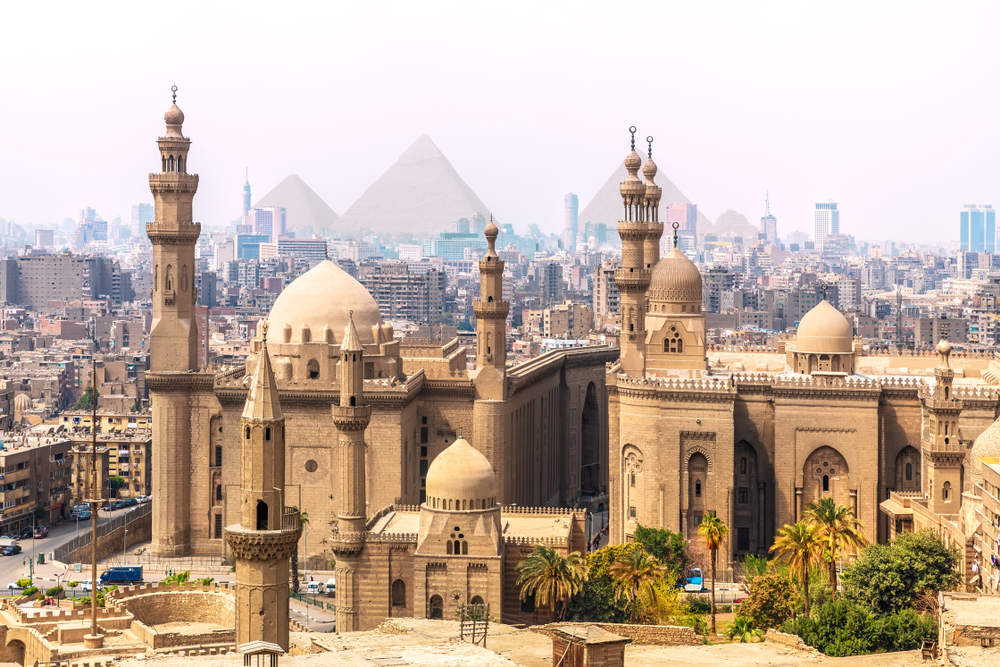
The medieval Islamic district of Cairo is home to one of the world’s most significant concentrations of Islamic architecture. This UNESCO World Heritage site features hundreds of mosques, madrasas (schools), sabils (public fountains), and historic houses dating from the 7th to the 19th centuries.
- Walk Al-Muizz Street, lined with magnificent medieval buildings
- Visit the Mosque-Madrasa of Sultan Hassan, a masterpiece of Mamluk architecture
- Explore the ancient fortifications of the Citadel of Saladin
- Shop for traditional crafts and spices at Khan el-Khalili bazaar
- Climb the minarets of Bab Zuweila for panoramic views of historic Cairo
Coptic Cairo

Coptic Cairo represents Egypt’s Christian heritage, featuring churches and monuments that date back to the early days of Christianity. This compact area was once part of the Roman fortress of Babylon and later became a center for Egypt’s Coptic Christian community.
- Visit the Hanging Church (Al-Mu’allaqah), built above a Roman fortress gatehouse
- Explore the Coptic Museum with its collection of Coptic art and artifacts
- See the Church of St. Sergius, which tradition holds sheltered the Holy Family
- Visit Ben Ezra Synagogue, once a church and later Egypt’s main synagogue
- Walk through the narrow streets connecting these ancient religious sites
Museum Treasures
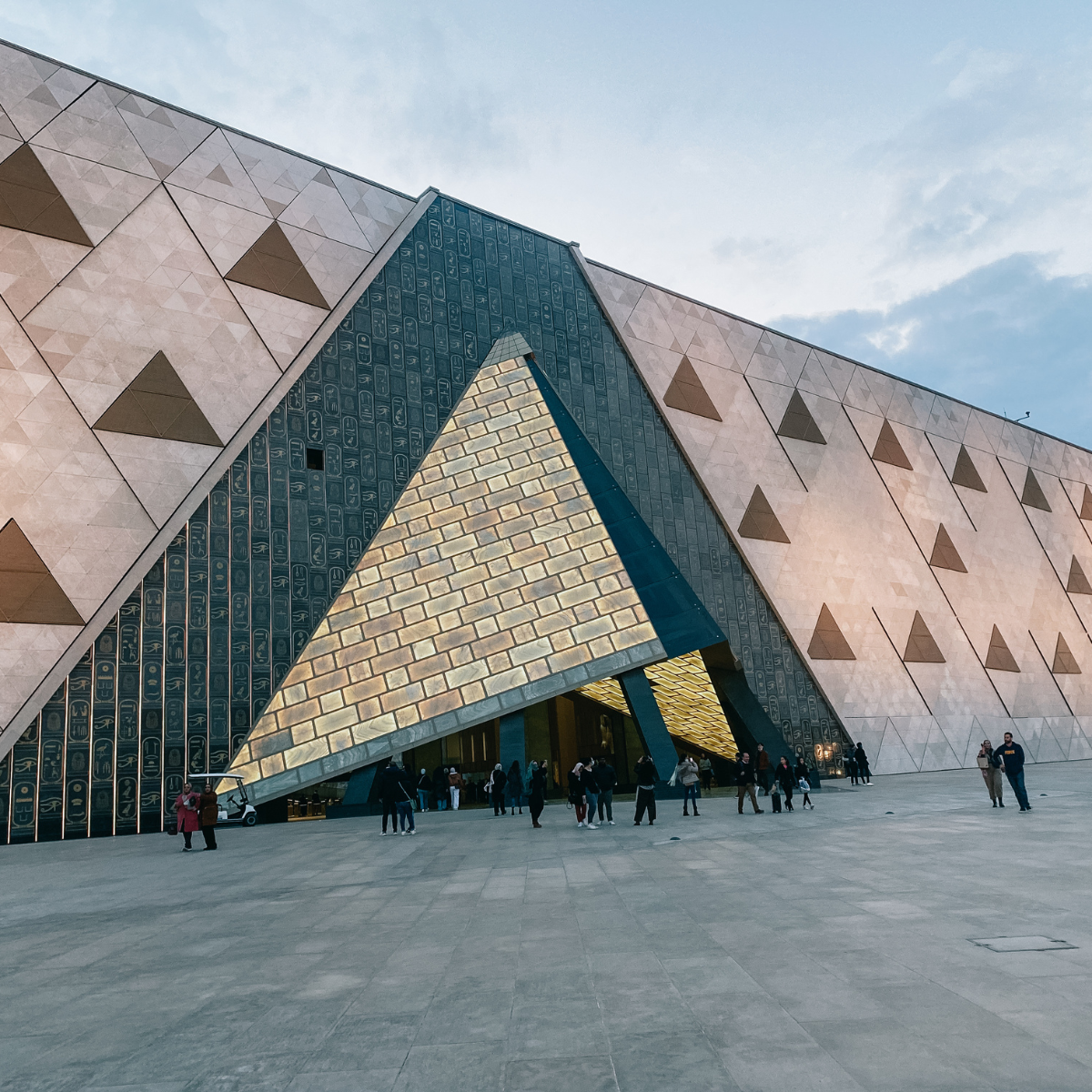
The Grand Egyptian Museum
This newly opened museum, located near the Giza Pyramids, is the largest archaeological museum dedicated to a single civilization. It houses over 100,000 artifacts, including the complete Tutankhamun collection, and offers state-of-the-art displays and conservation facilities. The museum’s architecture is impressive, with panoramic views of the pyramids.
The Egyptian Museum
Located in Tahrir Square, this historic museum (established in 1902) continues to display important collections even after transfers to newer museums. Its distinctive red building houses mummies of famous pharaohs, monumental statues, and everyday objects that provide insights into ancient Egyptian life.
National Museum of Egyptian Civilization
This modern museum in Fustat showcases Egyptian civilization from prehistoric times to the present day. Its Royal Mummies Hall provides a dignified display of Egypt’s pharaonic rulers, while other galleries showcase the continuity and evolution of Egyptian culture through different historical periods.
Traditional Markets
Vibrant spice displays at Khan el-Khalili market in Cairo
Egypt’s traditional markets (souks) offer a sensory journey through local culture, craftsmanship, and commerce. These bustling bazaars have been trade centers for centuries and remain vital to Egyptian social and economic life.
Khan el-Khalili, Cairo
Khan el-Khalili, dating back to the 14th century, is Cairo’s most famous bazaar. Its labyrinthine alleys contain shops selling everything from tourist souvenirs to cafésjewelry, textiles, spices, and copper work. Historic cafés like El Fishawi (since 1773) offer a place to rest and observe local life.
- Shop for traditional crafts, including alabaster, papyrus, and metalwork
- Practice your bargaining skills, which is an expected part of the shopping experience
- Try Egyptian street food from local vendors
- Visit the spice market for colorful displays and aromatic treasures
The Inspiring Wonders of Luxor
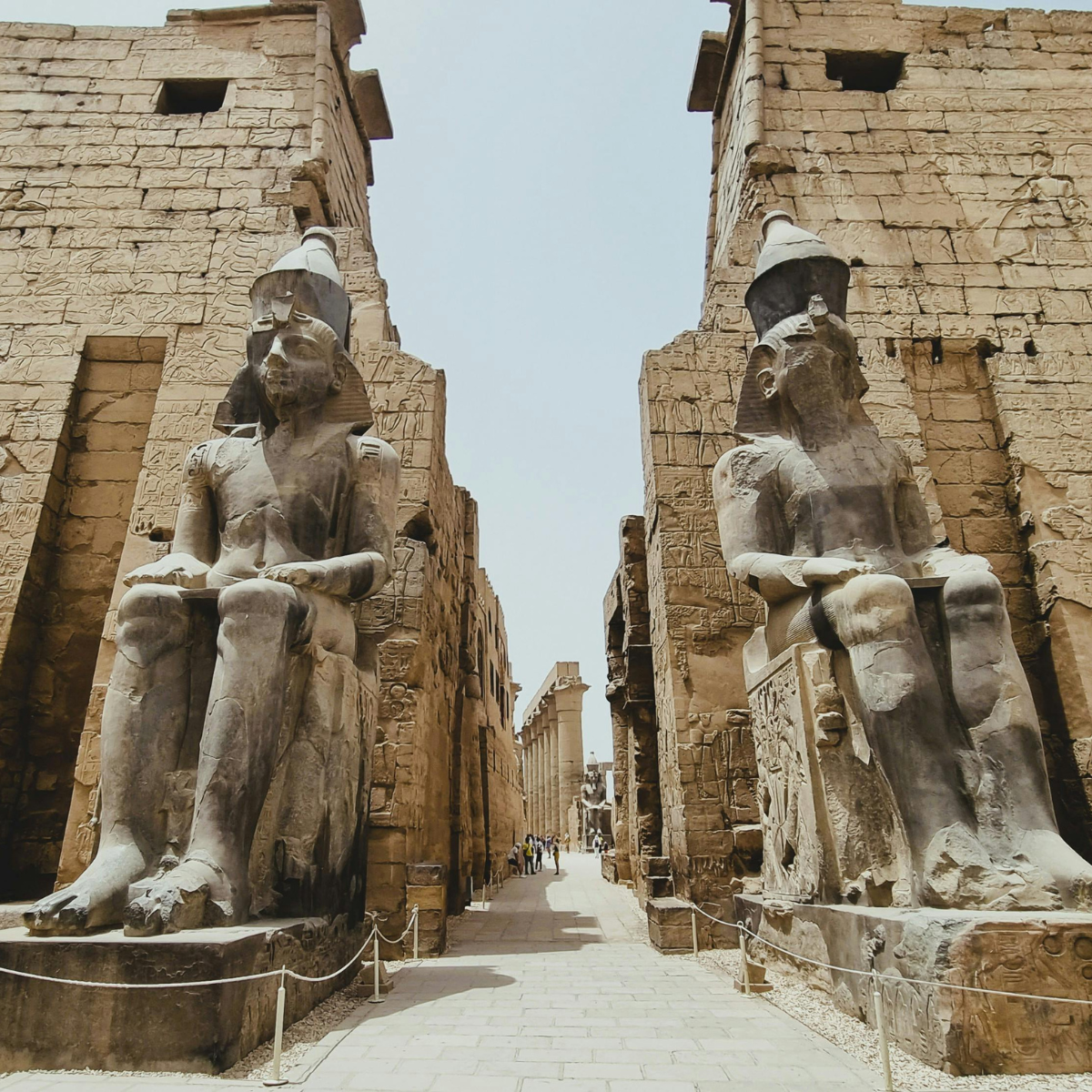
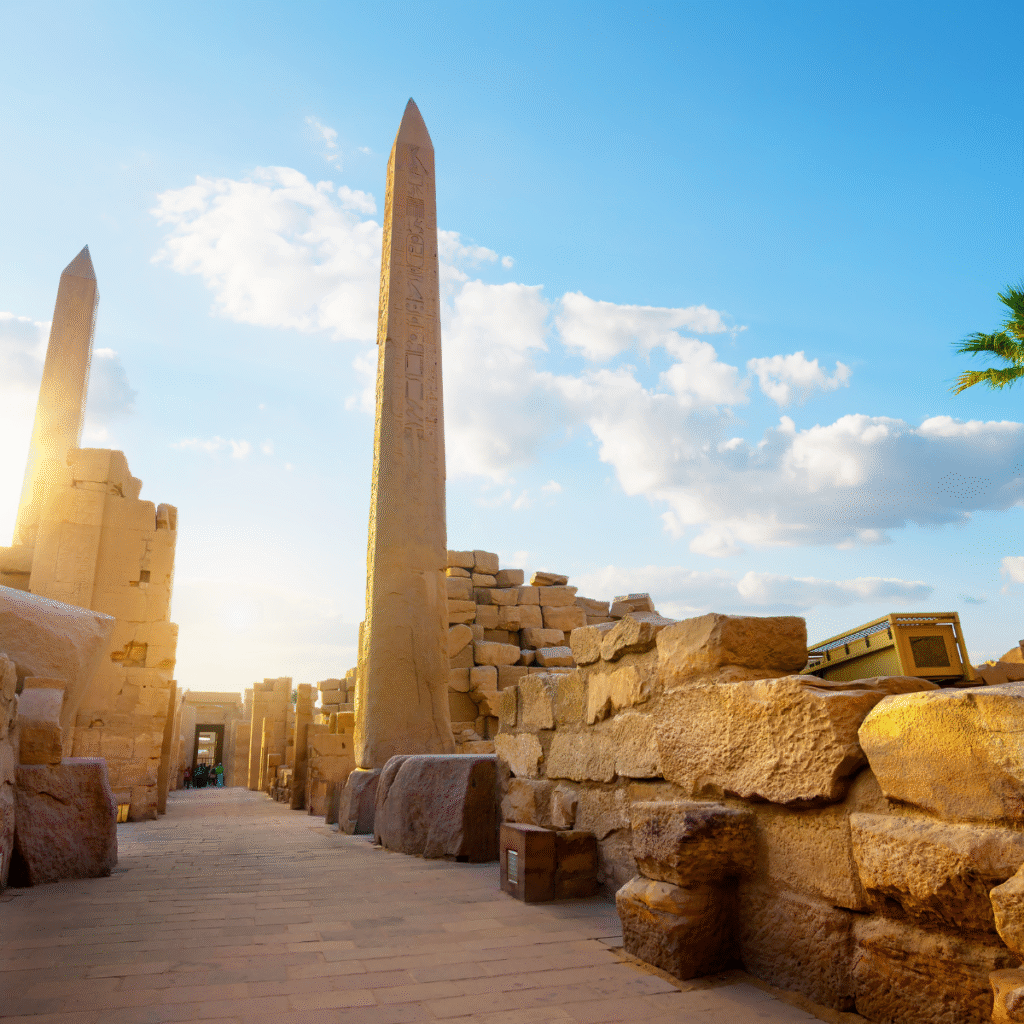
Luxor, the ancient city of Thebes, is home to some of Egypt’s most spectacular monuments. The Karnak Temple Complex, dedicated to the god Amun-Ra, is the largest religious building ever constructed. Nearby, Luxor Temple offers a more intimate experience with its elegant architecture and remarkable state of preservation.
- Marvel at the 134 massive columns in Karnak’s Hypostyle Hall
- Walk the Avenue of Sphinxes connecting Luxor and Karnak temples
- Visit Luxor Temple at night when it’s beautifully illuminated
- Explore the Sacred Lake and massive pylons at Karnak
- Hire a knowledgeable guide to explain the complex mythology depicted in reliefs
Visitor Information: Karnak is open daily from 6 am to 5:30 pm. Luxor Temple is open from 6 am to 9 pm. Consider the Luxor Pass for access to all sites in the area.
Nile River Experiences
Traditional felucca sailboat cruising the Nile River
The Nile, Egypt’s lifeline for millennia, offers some of the country’s most memorable experiences. Cruising this legendary river provides a unique perspective on Egypt’s landscape and civilization, with ancient temples and rural scenes unfolding along its banks.
Luxury Nile Cruises
Multi-day cruises between Luxor and Aswan offer comfort and convenience while visiting major archaeological sites. Most cruises include guided excursions, meals, and entertainment. Ships range from standard to ultra-luxury, offering amenities such as swimming pools, spas, and gourmet dining options.
Felucca Sailing
For a more authentic experience, consider sailing on a felucca, a traditional wooden sailboat. These can be hired for sunset trips lasting a few hours or multi-day adventures with camping on riverbanks. While basic in amenities, feluccas offer an intimate connection with the river and Egyptian rural life.
Embracing the Magic of Egypt
From the towering pyramids that have stood for millennia to the vibrant underwater world of the Red Sea, Egypt offers a journey that spans epochs and environments. The country’s rich tapestry of experiences connects visitors to one of humanity’s greatest civilizations while showcasing the warmth and hospitality of contemporary Egyptian culture.
Whether you marvel at ancient engineering feats, savor traditional cuisine in a local market, or watch the sunset paint the desert in golden hues, Egypt creates memories that linger long after your journey comes to an end. The country continues to evolve, striking a balance between preserving its unparalleled heritage and embracing the dynamic energy of modern life.
As you plan your Egyptian adventure, remember that beyond the iconic sites lies a country of diverse landscapes, rich traditions, and welcoming people eager to share their stories. Egypt isn’t simply a destination to check off a bucket list—it’s an immersive experience that transforms your understanding of human history and creativity.
Begin Your Egyptian Journey Today
Let us help you discover the Egypt of your dreams, from ancient wonders to modern adventures.