Best Places to Visit in Egypt: An Inspiring Travel Guide

Egypt is not simply one destination. It is a collection of ancient cities, peaceful landscapes, colorful communities, and unforgettable experiences. Therefore, choosing where to go can be one of the most exciting parts of planning your holiday.

The best places to visit in Egypt offer something for every traveler. Cairo and Giza reveal ancient wonders and vibrant modern life. Meanwhile, Luxor brings magnificent temples and royal tombs within reach. Aswan offers a gentler rhythm, beautiful Nile scenery, and warm Nubian culture.

However, Egypt’s story continues beyond the Nile Valley. Alexandria combines Mediterranean character with layers of history. The Red Sea invites visitors to relax, snorkel, and dive. In addition, Siwa, Fayoum, and the White Desert reveal a quieter and more adventurous side of the country.

This guide will help you compare Egypt’s most inspiring destinations. You can then select the places that match your interests, available time, and preferred experiences.

Cairo and Giza: Where Egypt's Story Begins

Cairo is a city of movement, contrast, and unforgettable energy. Historic mosques rise above lively streets, local cafés fill with conversation, and the Nile flows quietly through the heart of the capital. For many travelers, Cairo provides the first exciting glimpse of modern Egypt.
 
Just beyond the city, the Giza Plateau reveals a completely different world. Here, the Great Pyramid of Khufu has watched over the desert for thousands of years. Nearby, the pyramids of Khafre and Menkaure complete the famous skyline, while the Great Sphinx continues to guard its ancient secrets.
 
However, Cairo and Giza offer more than their most famous monuments. Visitors can explore remarkable Egyptian collections, wander through Khan el-Khalili Bazaar, discover Coptic Cairo, and admire the historic mosques of Islamic Cairo. Therefore, this destination suits history lovers, families, photographers, and first-time visitors.
 
Allow at least two or three days to comfortably experience the area. A knowledgeable local guide can also help you understand the stories behind the monuments and make it easier to travel between the major attractions.
 
 
The Giza Pyramids near Cairo, one of the best places to visit in Egypt

Luxor: Walk Through the World’s Greatest Ancient City

Hatshepsut temple. Best Places to Visit in Egypt
Luxor feels like an open history book. Ancient temples rise beside modern streets, while the Nile separates monuments devoted to life from royal burial places created for eternity.

On the East Bank, visitors can walk through the towering columns of Karnak Temple and explore elegant Luxor Temple. As evening arrives, warm lights reveal carved walls, royal statues, and stories shaped over thousands of years.

Across the Nile, the West Bank offers a quieter and more mysterious experience. The Valley of the Kings hides beautifully decorated royal tombs within the desert hills. Nearby, Queen Hatshepsut’s temple rises dramatically beneath the cliffs of Deir el-Bahari.
 
However, Luxor is not only about monuments. A sunrise balloon flight, a peaceful felucca journey, or a walk through the local streets can reveal another side of the city. Therefore, Luxor deserves at least two or three days, especially for travelers who love ancient history.

Aswan: Discover the Nile at Its Most Peaceful
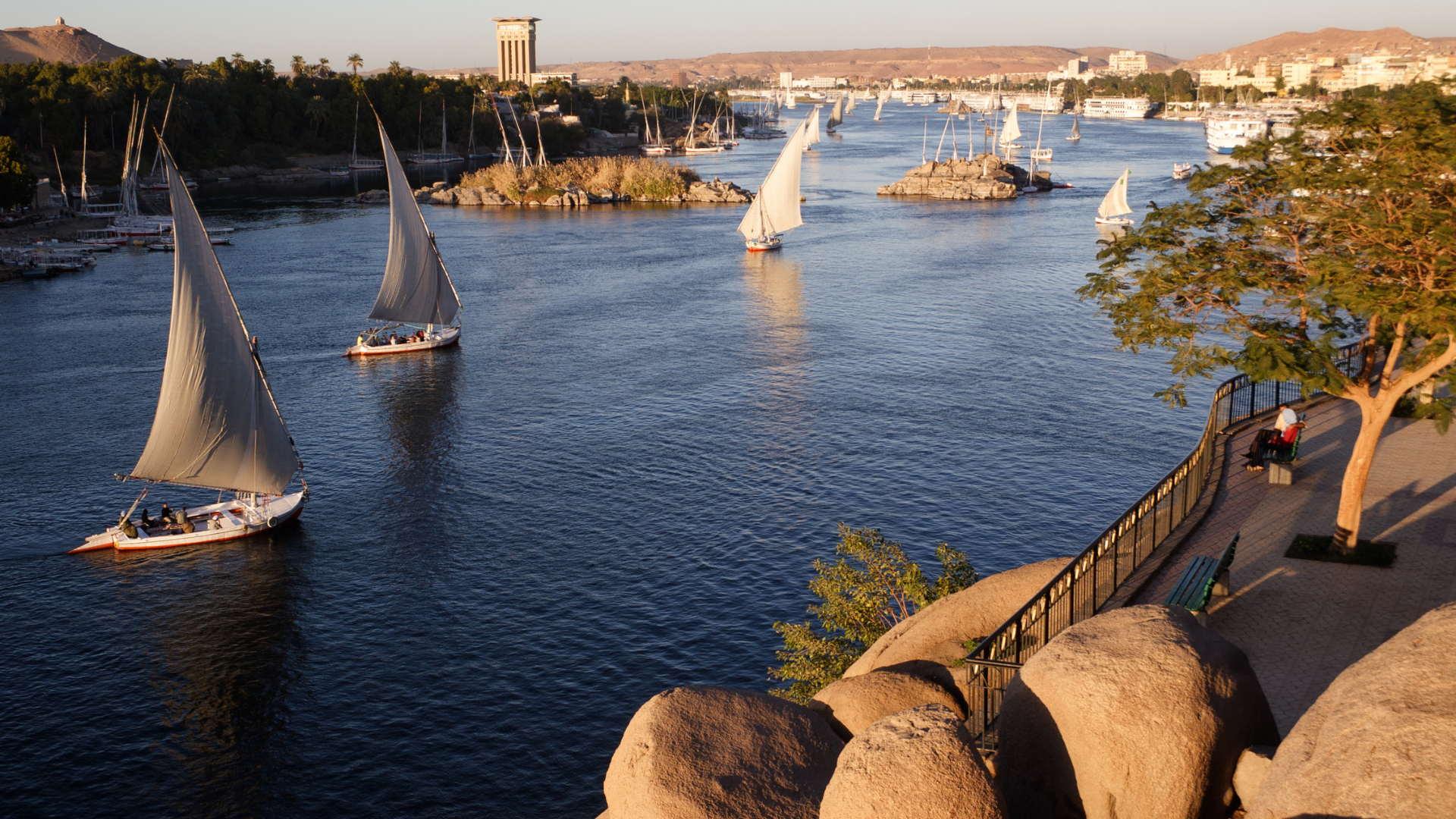
Aswan offers a gentler side of Egypt. Here, the Nile flows between rocky islands, golden desert banks, and colorful Nubian villages.

The city moves at a slower rhythm, making it an ideal place to relax after the energy of Cairo and Luxor.

A traditional felucca journey is one of Aswan’s most memorable experiences. As the sail catches the wind, the city gradually becomes quieter. Palm trees line the riverbanks, birds cross the water, and the warm colors of sunset reflect across the Nile.

History also surrounds the city. Visitors can travel by boat to Philae Temple, which stands gracefully on Agilkia Island. In addition, the Unfinished Obelisk reveals how ancient craftspeople shaped enormous monuments from Aswan’s famous granite.

Aswan also provides a gateway to Abu Simbel. Although the temples require an early journey, their monumental statues and remarkable story make the experience worthwhile. Allow at least two days for Aswan, or longer if you want to enjoy its islands and Nubian culture without rushing.

Alexandria: Where Egypt Meets the Mediterranean
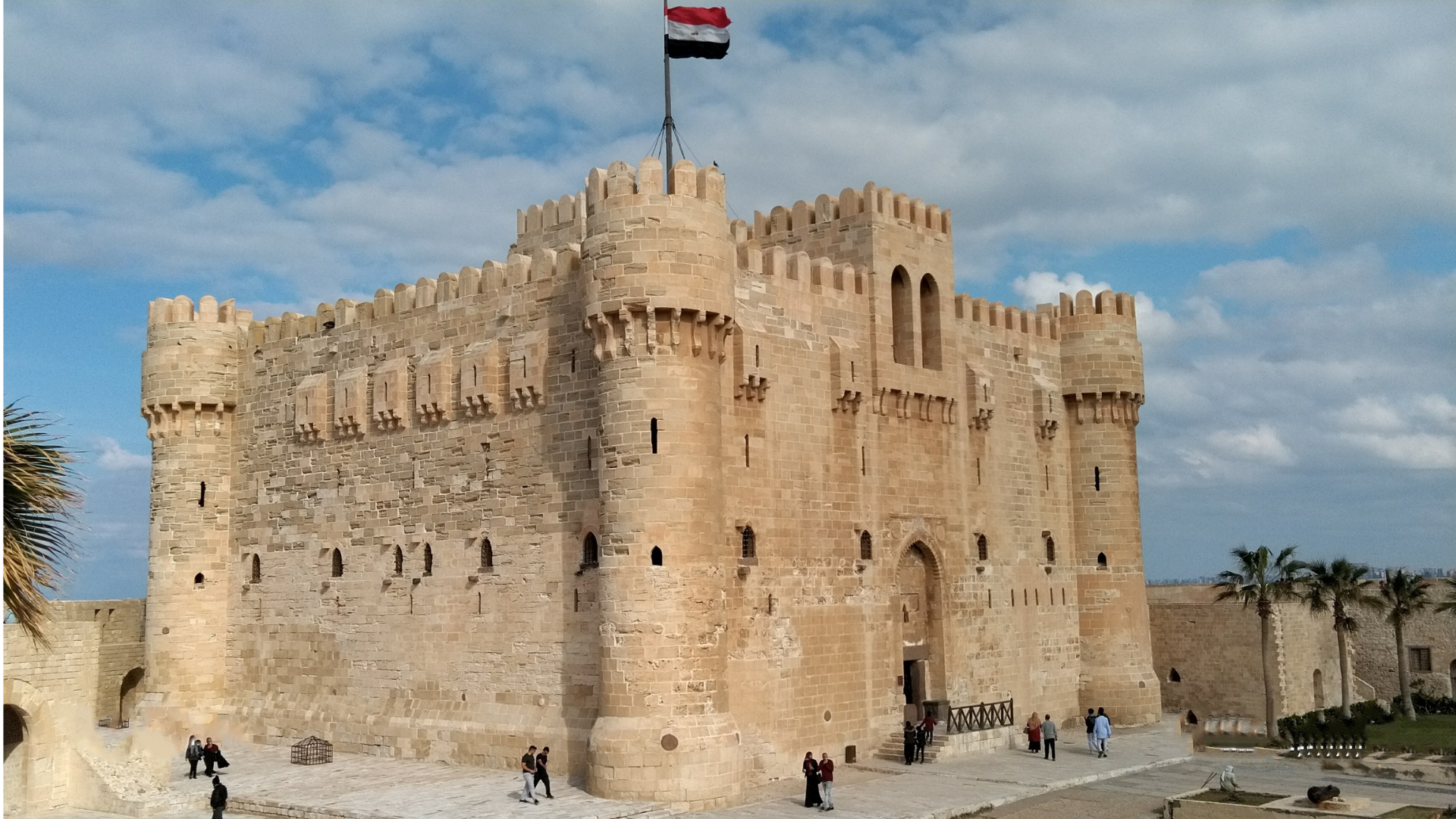
Qaitbay Citadel on the Mediterranean coast in Alexandria, Egypt
Alexandria offers a refreshing contrast to Egypt’s desert landscapes and Nile cities. Mediterranean waves meet a long waterfront, seafood restaurants fill the air with inviting aromas, and layers of history wait beneath the modern streets.
 
Founded by Alexander the Great, the city later became one of the ancient world’s most important centers of learning and culture. Although much of classical Alexandria has disappeared, its story continues through archaeological sites, museums, and monuments.
 
Visitors can descend into the Catacombs of Kom El Shoqafa, admire the Roman remains at Kom El Dikka, and stand beside Pompey’s Pillar. Meanwhile, the Citadel of Qaitbay overlooks the location traditionally associated with the ancient Lighthouse of Alexandria.
 
The modern Bibliotheca Alexandrina celebrates the city’s connection with knowledge and discovery. Afterward, a walk along the Corniche offers sea views and a glimpse of everyday Alexandrian life. One or two days are usually enough to explore the main attractions at a comfortable pace.
 

The Red Sea: Turquoise Waters and Coastal Adventures
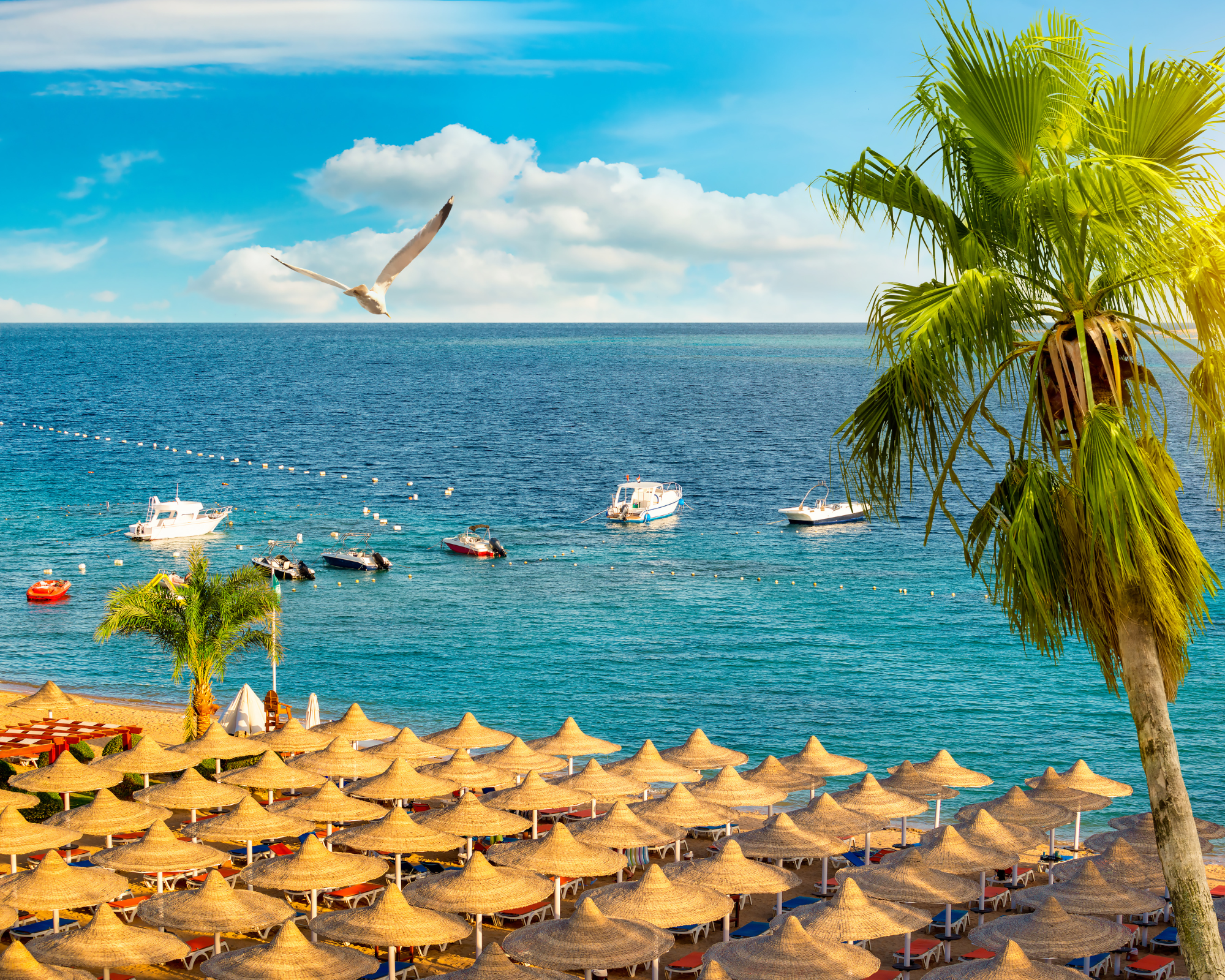
Turquoise water and Egypt’s Red Sea
After exploring Egypt’s temples and tombs, the Red Sea offers time to slow down. Turquoise water meets golden desert mountains, while coral reefs create a colorful world beneath the surface.
 
Hurghada, El Gouna, Marsa Alam, and Sharm el-Sheikh each offer a different coastal experience. Some travelers prefer comfortable resorts and sandy beaches. Others arrive for diving, snorkeling, boat journeys, and desert adventures.

The Red Sea is especially rewarding for families, couples, and travelers who want to combine history with relaxation. Even a few quiet days by the water can provide a refreshing end to a busy journey through Cairo, Luxor, and Aswan.
 
However, the coast offers more than relaxation. Visitors can watch dolphins, explore coral gardens, try wind sports, or travel into the desert for a sunset experience. Therefore, consider adding at least three days on the Red Sea to balance your Egyptian itinerary.


Siwa Oasis: Egypt’s Peaceful Desert Escape
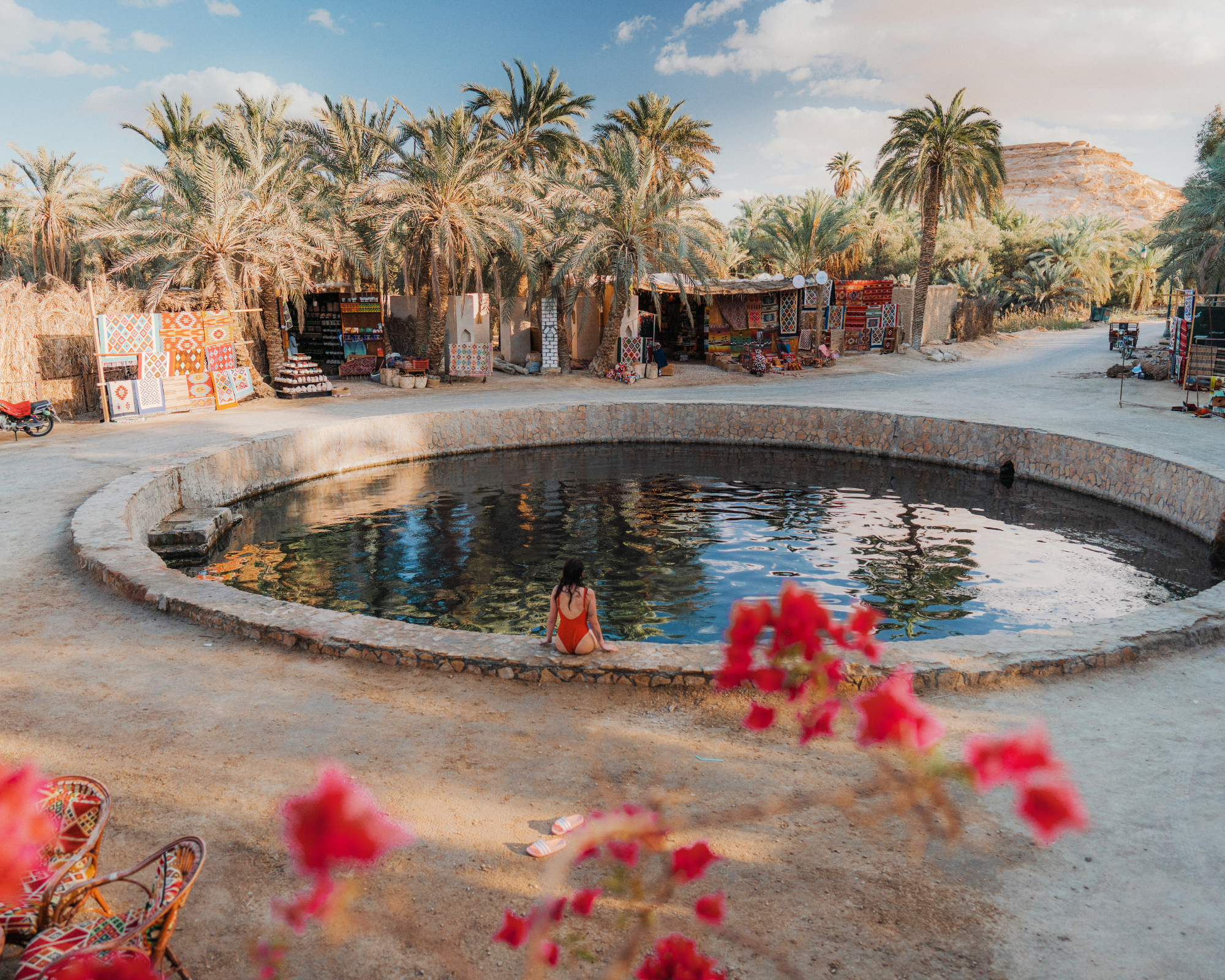
Natural sulfur spring surrounded by palm trees and greenery in Siwa Oasis, Egypt
Far from Egypt’s busy cities, Siwa Oasis offers silence, natural beauty, and a culture shaped by the desert. Palm groves surround freshwater springs, while mud-brick villages blend gently into the landscape.

One of Siwa’s most memorable landmarks is Shali Fortress. Its ancient walls rise above the old town and offer beautiful views across the oasis. Nearby, visitors can discover the Temple of the Oracle, where Alexander the Great is traditionally believed to have consulted the oracle.

However, Siwa’s appeal goes beyond history. Travelers can swim in natural springs, float in salt lakes, watch the sunset from Fatnas Island, and explore the Great Sand Sea with experienced local guides.
 
The oasis also has a distinct Amazigh heritage, traditional crafts, and a slower way of life. Therefore, Siwa suits travelers looking for nature, culture, and quiet moments away from Egypt’s busiest routes. Allow at least three days, excluding the long journey from Cairo.


Fayoum: Nature and Adventure Near Cairo
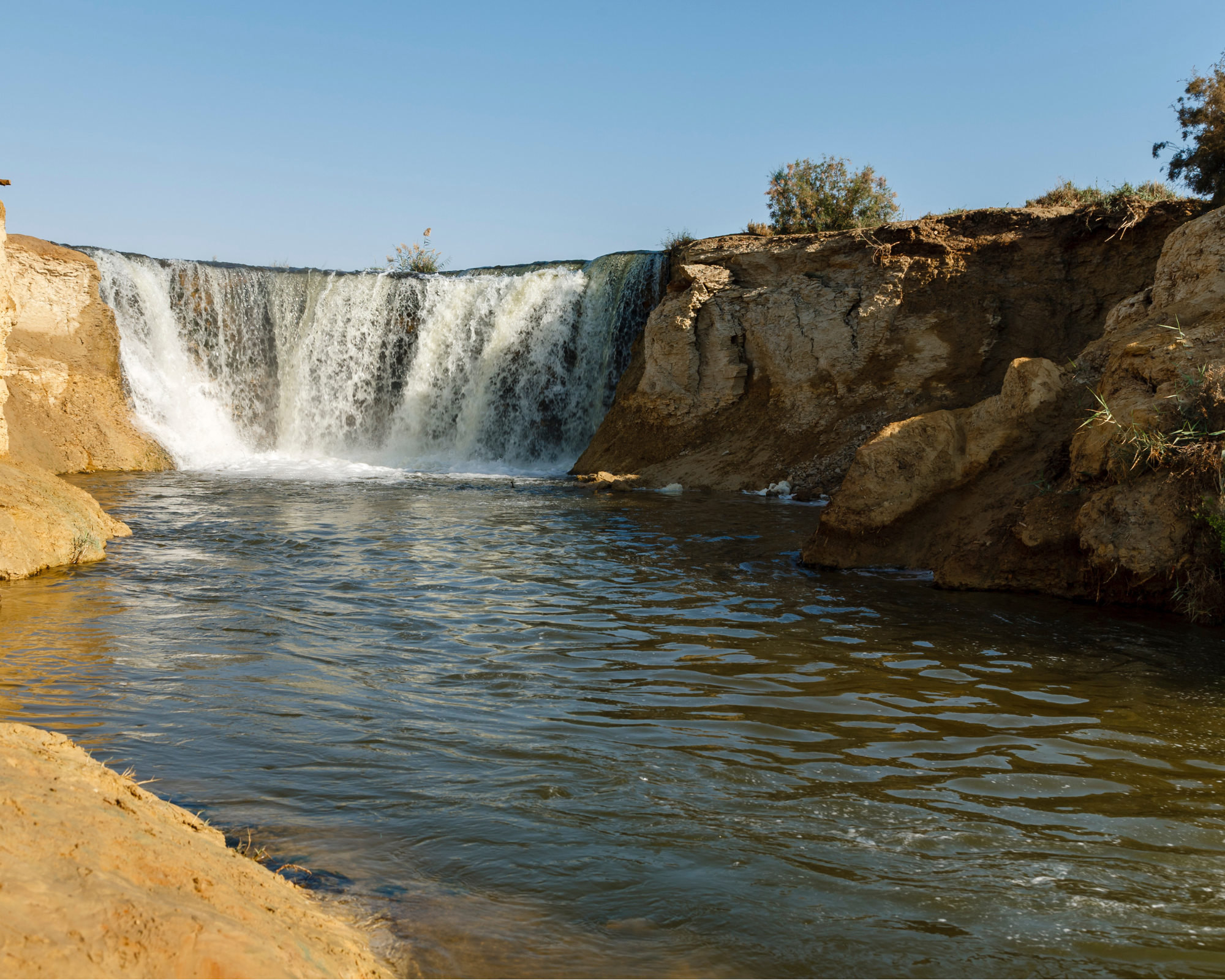
Wadi El Rayan waterfalls surrounded by desert scenery in Fayoum, Egypt
A short journey southwest of Cairo reveals a landscape that many visitors do not expect. Fayoum combines lakes, waterfalls, desert dunes, rural villages, and ancient sites into a single diverse destination.

Wadi El Rayan is one of the region’s most popular natural attractions. Its lakes and waterfalls create a refreshing contrast with the surrounding desert. Nearby, the Magic Lake changes color according to the sunlight and provides a peaceful setting beneath the dunes.

Fayoum also protects an extraordinary prehistoric story. At Wadi Al-Hitan, or the Valley of the Whales, visitors can see fossils that reveal how ancient whales developed from land-dwelling mammals into ocean animals.

Meanwhile, Tunis Village offers a different experience. The village is known for its pottery workshops, charming guesthouses, and views over Lake Qarun. Therefore, Fayoum suits families, nature lovers, photographers, and travelers looking for an easy escape from Cairo.
 
A long day trip is possible. However, staying overnight offers more time to take in the desert sunset, local crafts, and the quieter rhythm of village life.


The White Desert: A Landscape from Another World
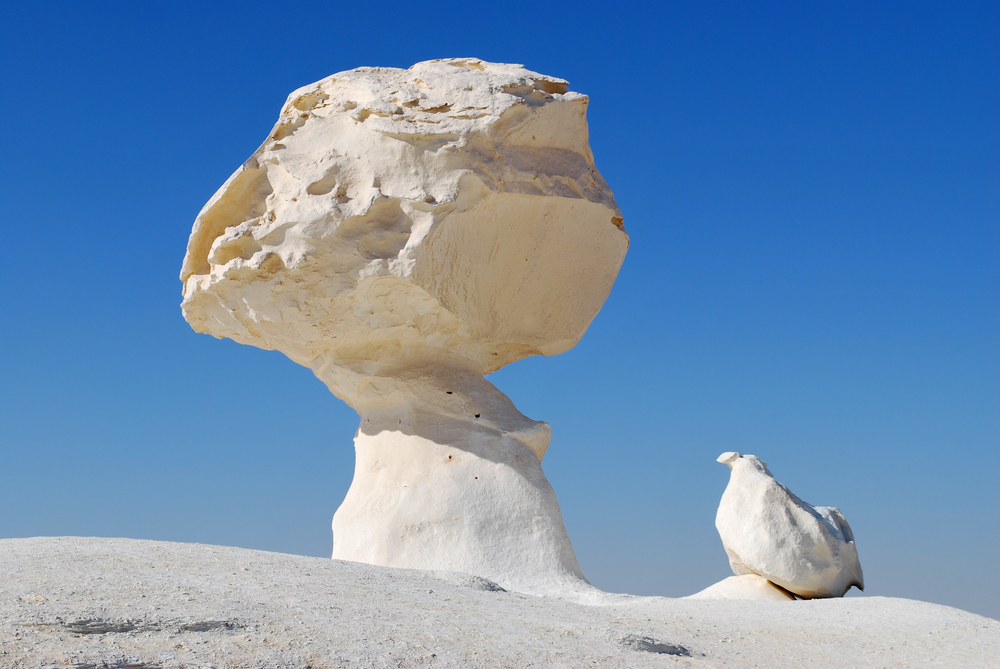
White chalk formations in Egypt’s White Desert
The White Desert feels unlike anywhere else in Egypt. Pale chalk formations rise from the sand, creating shapes that resemble mushrooms, towers, animals, and frozen waves.

The journey usually begins near Bahariya Oasis, then continues through the Black Desert towards the protected White Desert landscape. Along the way, volcanic hills, natural springs, and wide desert views reveal how dramatically the scenery can change.

As sunset approaches, the white formations reflect warm shades of gold and pink. Afterward, the night sky becomes the main attraction. Far from city lights, thousands of stars appear above the quiet desert.
 
The White Desert suits adventurous travelers, photographers, and anyone searching for a peaceful experience beyond Egypt’s famous monuments. However, visitors should travel only with an experienced, reputable operator and remain on authorized routes.


Which Egyptian Destination Is Right for You?

Every destination offers a different experience. Your best choice will depend on your interests, available time, and preferred travel style. Use this quick comparison to begin planning your route.

Destination Best for Suggested time
Cairo and Giza Pyramids, museums, city culture and first visits 2–3 days
Luxor Temples, royal tombs and ancient history 2–3 days
Aswan Nile scenery, Nubian culture and relaxation 2–3 days
Alexandria Mediterranean atmosphere and history 1–2 days
Red Sea Beaches, snorkelling, diving and relaxation 3–5 days
Siwa Oasis Desert culture, springs and quiet escapes 3–4 days
Fayoum Nature, waterfalls, pottery and short adventures 1–2 days
White Desert Desert camping, photography and adventure 2–3 days

These are suggested minimum stays and do not include every journey between destinations. A slower itinerary will provide more time to enjoy each place comfortably.

Canada’s current advisory excludes the White and Black Deserts via the Oasis Road from its strongest Western Desert warning but still advises a high degree of caution. Government of Canada Travel Advice

FAQS

What are the best places to visit in Egypt for first-time travellers?

Cairo and Giza, Luxor, and Aswan create an excellent introduction to Egypt. Together, they offer pyramids, museums, temples, royal tombs, Nile scenery, and Nubian culture.

Seven to ten days can cover several classic destinations at a comfortable pace. However, travellers who want to add Alexandria, the Red Sea, Siwa, or the White Desert should consider a longer holiday.

Both cities are important. Cairo and Giza are famous for the pyramids and major museum collections. Luxor offers a greater concentration of temples and royal tombs. Ideally, visit both destinations.

Yes. Aswan offers beautiful Nile scenery, the Philae Temple, Nubian culture, traditional felucca journeys, and access to Abu Simbel. It also provides a calmer atmosphere after Cairo and Luxor.

Egypt’s Red Sea coast is the best choice for beaches, snorkelling, diving, and resort stays. Hurghada, Marsa Alam, El Gouna, and Sharm El Sheikh offer different coastal experiences.

Siwa Oasis, Fayoum, and the White Desert suit adventurous travellers. Activities may include desert journeys, camping, salt lakes, sand dunes, and natural landscapes. Always use reputable operators and check current travel guidance.

Keep only the first accordion item open by default. After this section, we will add the conclusion and final call to action.


Final Thoughts: Choosing the Best Places to Visit in Egypt

Egypt rewards every kind of traveler. Some visitors arrive to stand before the pyramids, while others dream of entering royal tombs, sailing along the Nile, or relaxing beside the Red Sea.
 
The best places to visit in Egypt depend on the story you want your journey to tell. Cairo and Giza provide an unforgettable beginning. Luxor and Aswan bring the ancient Nile Valley to life. Meanwhile, Alexandria, Siwa, Fayoum, the White Desert, and the Red Sea reveal Egypt’s remarkable variety.

You do not need to experience everything during one holiday. Instead, choose a comfortable route, allow enough time in each destination, and leave space for the unexpected moments that often become the most meaningful memories.
 
Wherever you decide to go, Egypt offers more than famous monuments. It offers living culture, warm hospitality, dramatic landscapes, and stories that continue long after you return home.

Let Us Help You Plan Your Egyptian Story

Tell us which destinations inspire you, how long you want to travel, and the experiences you would love to include. We will help you shape a private journey around your interests and preferred pace